Understanding the Beauty of Grassed Landscapes
Grassed landscapes have long been a staple of natural beauty, with their lush green hues and serene ambiance. From rolling hills to expansive lawns, grassed areas have the power to transform any space into a tranquil oasis. With the increasing emphasis on outdoor living and environmental sustainability, it's no wonder that grassed landscapes are becoming a top priority for many home and landowners. In this article, we'll delve into the world of grassed landscapes, exploring their context, details, and implications.
Context: The Importance of Grassed Landscapes
Grassed landscapes play a vital role in maintaining ecological balance and promoting biodiversity. They provide a habitat for various plant and animal species, help to filter water and air, and even mitigate the effects of climate change. Moreover, grassed areas have been shown to have a positive impact on mental health, reducing stress and anxiety while promoting relaxation and well-being. As such, it's essential to understand the significance of grassed landscapes and how they can be incorporated into our daily lives.

Details: Types of Grassed Landscapes
There are various types of grassed landscapes, each with its unique characteristics and benefits. For instance, lawns are a common type of grassed landscape, often found in residential areas and parks. These areas are typically manicured and maintained regularly to ensure a neat and tidy appearance. On the other hand, meadows and prairies are more natural and wild, featuring a diverse range of grasses and wildflowers. These areas are often left to grow and evolve naturally, providing a habitat for local wildlife and promoting biodiversity.

Implications: Creating and Maintaining Grassed Landscapes
Creating and maintaining grassed landscapes requires careful consideration and planning. It's essential to choose the right type of grass and plants for the specific climate and soil conditions. Additionally, regular maintenance, such as mowing, watering, and fertilizing, is necessary to keep the area healthy and thriving. However, with the increasing awareness of environmental sustainability, many home and landowners are opting for more eco-friendly approaches, such as using drought-resistant grasses and reducing water consumption. By understanding the implications of grassed landscapes, we can work towards creating more sustainable and environmentally friendly outdoor spaces.
In conclusion, grassed landscapes are a vital component of our natural environment, providing numerous benefits for both humans and wildlife. By understanding their context, details, and implications, we can work towards creating and maintaining beautiful and sustainable outdoor spaces that promote ecological balance and biodiversity. Whether you're a homeowner, landowner, or simply a nature enthusiast, the beauty and importance of grassed landscapes are undeniable, and it's up to us to preserve and protect these areas for future generations.
Green Grass Land Vegetation Landscape. | Free Photo - Rawpixel

Green grass land vegetation landscape. | Free Photo - rawpixel
Green Trees And Grassland · Free Stock Photo
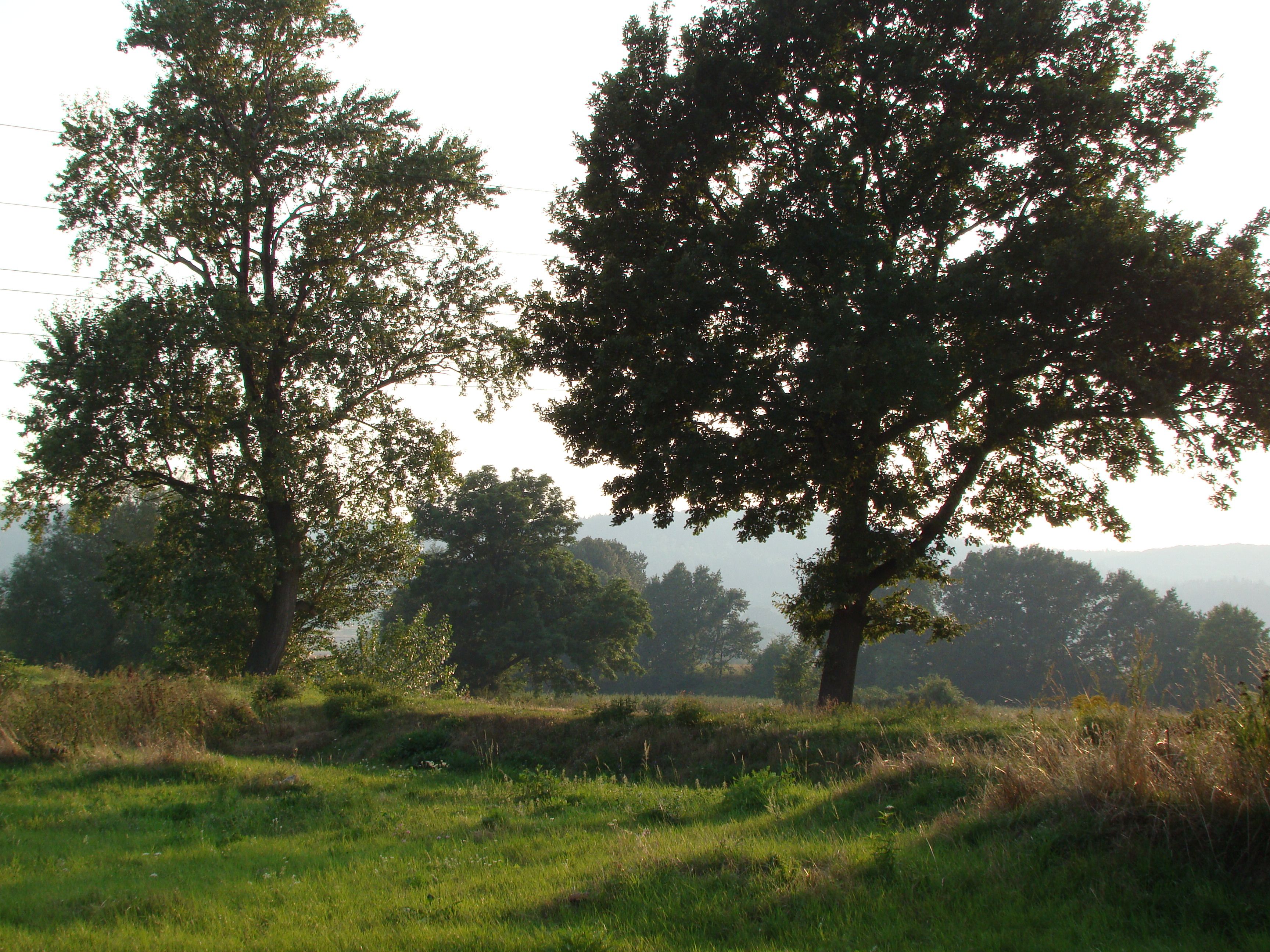
Green Trees and Grassland · Free Stock Photo
Natural Grass - Urban Green Landscape
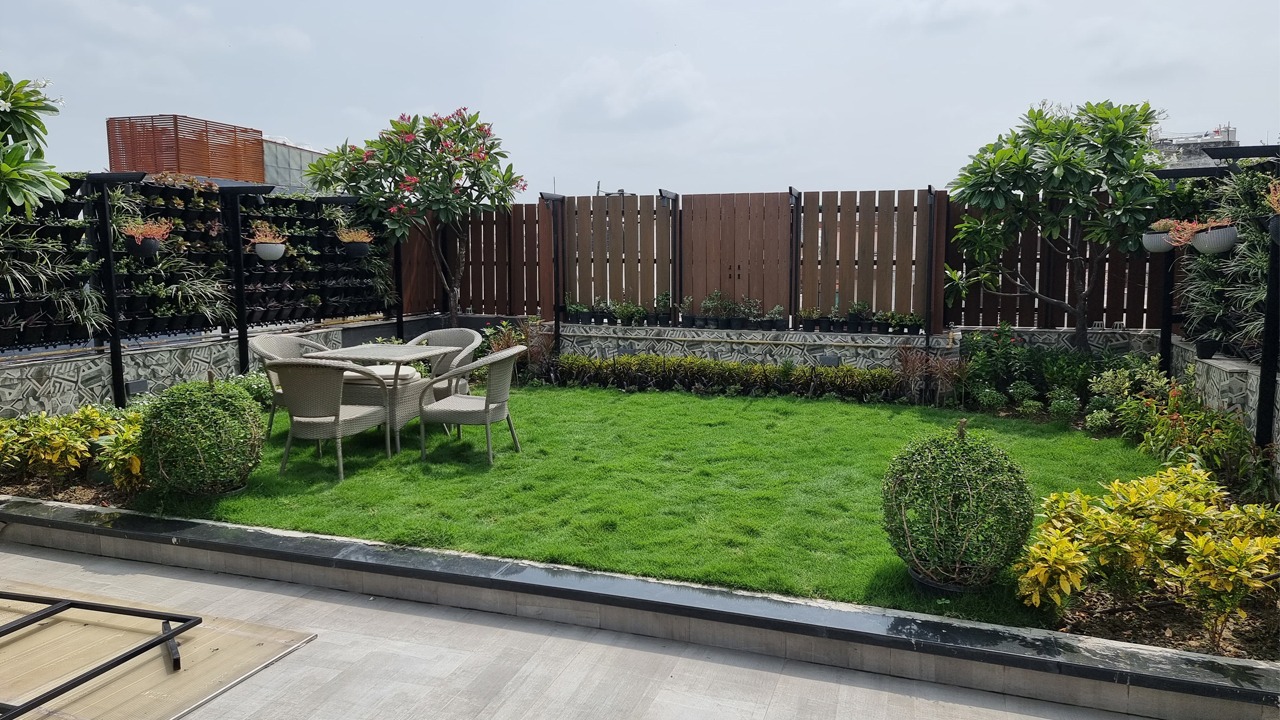
Natural Grass - Urban Green Landscape